Blog
Eco-Friendly Landscaping: Sustainable Practices for Modern Lawns
Eco-friendly landscaping involves using sustainable practices to maintain healthy and beautiful lawns. This approach reduces the environmental impact typically associated with traditional lawn care and maintenance. As awareness grows, many homeowners are eager to adopt greener practices that conserve resources and enhance biodiversity.
One critical component of sustainable landscaping is water conservation. By implementing efficient irrigation systems, such as drip irrigation or soaker hoses, you can significantly reduce water usage. These systems deliver water directly to the roots, minimizing waste and evaporation. Another effective method is collecting rainwater in barrels for landscape irrigation. This naturally harvested water is an excellent resource for keeping your lawn hydrated without tapping into municipal supplies.
Choosing native plants is another pivotal aspect of eco-friendly landscaping. Native species are naturally adapted to your region's climate and soil conditions, requiring less water and maintenance than non-native species. These plants are also more resilient to local pests and diseases, which reduces the need for chemical pesticides and fertilizers. By incorporating a variety of native shrubs, trees, and perennials, you can create a landscape that supports local wildlife and enhances biodiversity.
The use of organic fertilizers is also important for sustainable lawns. Chemical fertilizers can lead to soil degradation and water pollution. Instead, opt for compost or natural fertilizers that release nutrients slowly and improve soil structure over time. Composting kitchen and garden waste not only reduces landfill contributions but also provides a rich source of nutrients for your plants.
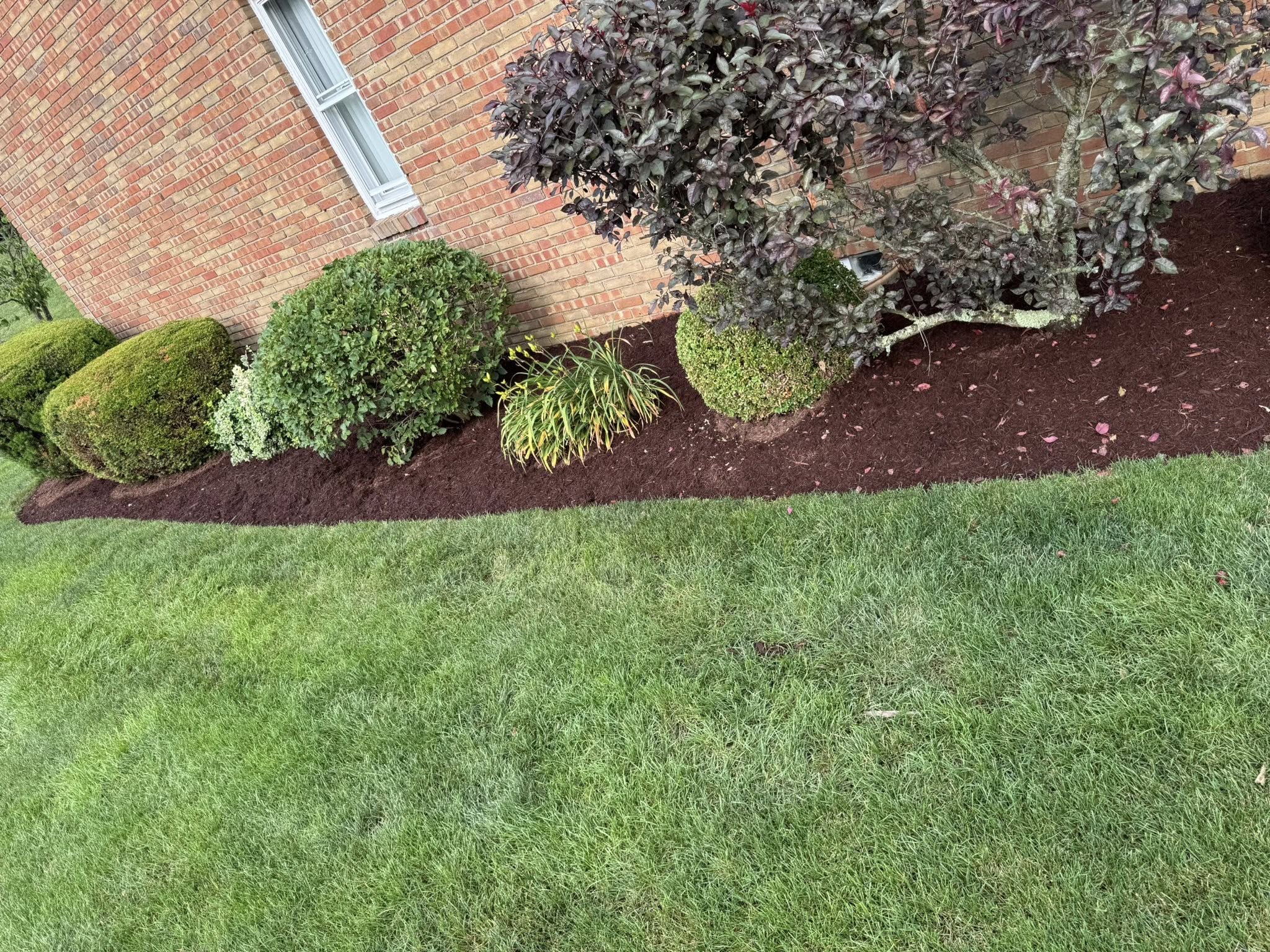
Mulching is another eco-friendly practice that offers multiple benefits. By applying a layer of organic mulch, such as wood chips or shredded bark, you can suppress weeds, retain soil moisture, and slowly enrich the soil as it decomposes. Mulching helps maintain a stable soil temperature, which is crucial for plant health.
For those seeking to reduce their carbon footprint even further, consider integrating hardscaping elements into your landscape design. Hardscaping involves the use of non-plant materials like stone, brick, or gravel to reduce lawn size and maintenance. These materials offer aesthetic value and can be used to create pathways, patios, or retaining walls. Incorporating hardscaping can significantly lower water and fertilizer needs, making your lawn care routine more sustainable.
Sustainable landscaping is about making conscious choices that benefit the environment and promote a healthier lawn. By investing in these eco-friendly practices, you not only reduce your ecological footprint but also create a visually pleasing and functional outdoor space. With these strategies in place, your lawn can thrive while supporting the planet.
At D&C Lawn Care LLC, we are dedicated to helping our clients achieve their vision for sustainable landscaping. Our team of experts can guide you through selecting native plants, installing efficient irrigation systems, and integrating hardscaping features tailored to your specific needs. Let's work together to create a beautiful, sustainable landscape that contributes positively to the environment for generations to come.